
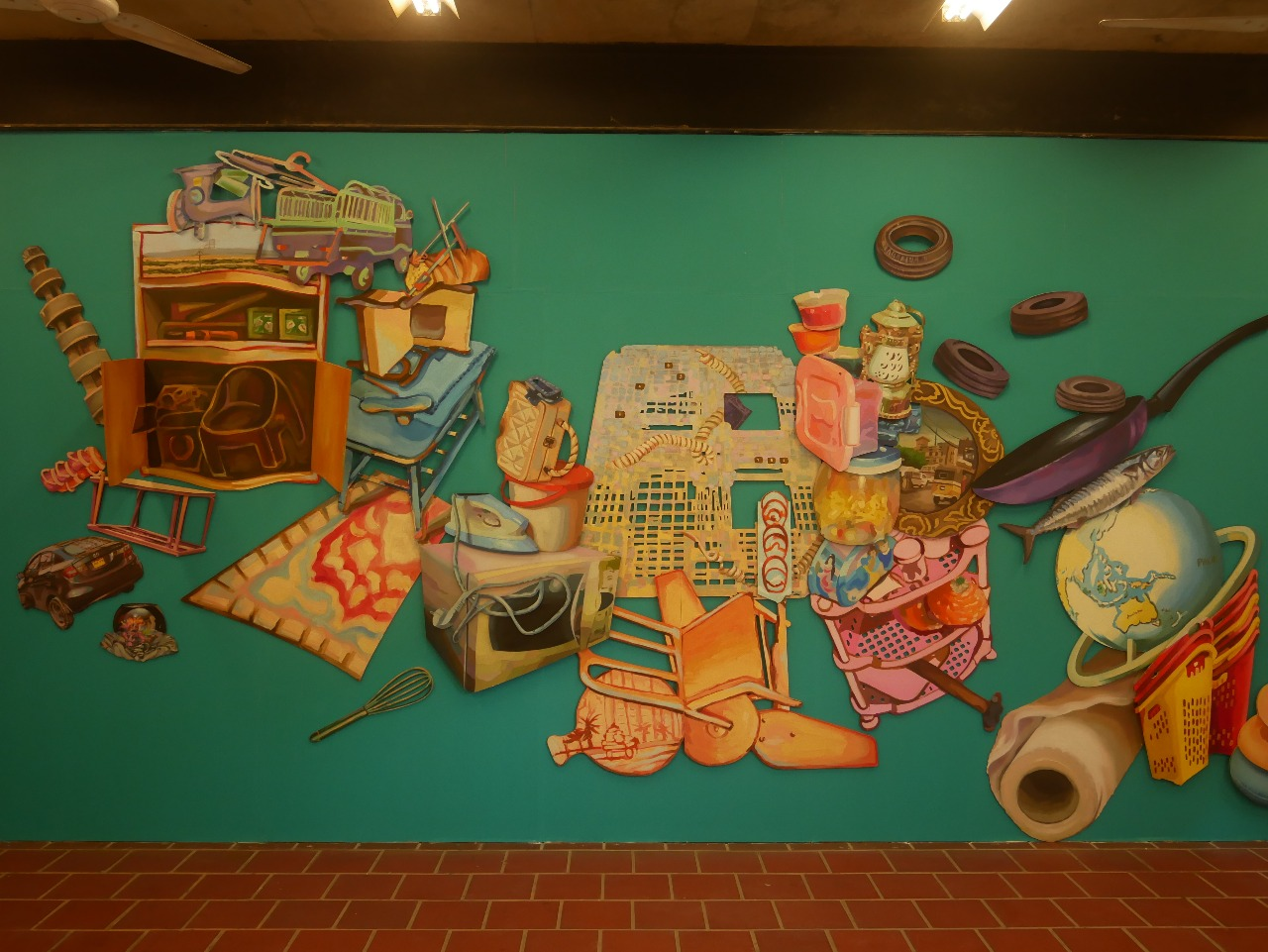
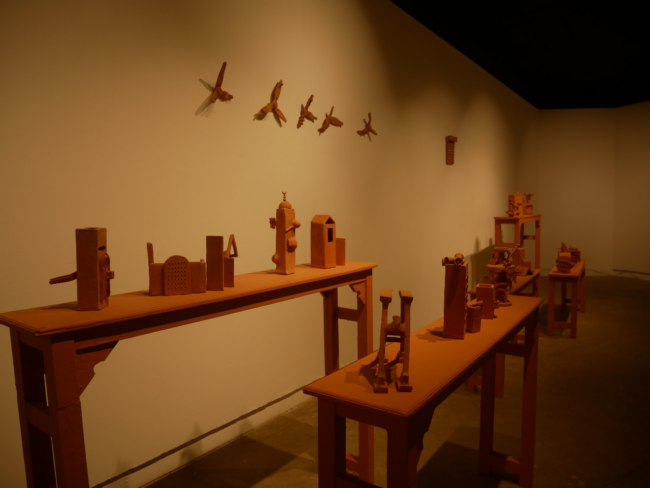
Every year, students present their work as the culmination of an extended period of research, experimentation, and reflection. The IVS Thesis Show marks a moment of pause, a space in which students’ practices are made public and placed in dialogue with one another. The 2026 Thesis Show was no different. It showed a collective shift away from producing work that relies on recognisable forms or immediate clarity. Rather than defaulting to traditional formats or neatly resolved visual statements, many students appeared invested in processes of gradual unfolding. Ideas were allowed to surface slowly, taking shape through layered gestures, accumulations of material and deep engagement with their craft. The exhibition resisted spectacle and instant legibility, favouring instead a mode of working that privileges duration, hesitation and slow, sustained attention.
Across the show, there was a sensitivity to the social and political precarity that defines the present moment. Rather than illustrating these conditions directly, the works often approached them obliquely, through fragmentation, repetition, erasure or refusal. This indirectness did not dilute their urgency; instead, it mirrored the instability and uncertainty of the contexts they respond to. The students’ practices suggested an understanding that contemporary experience is not easily summarised or resolved, and that artistic form must adapt to this complexity rather than simplify it.
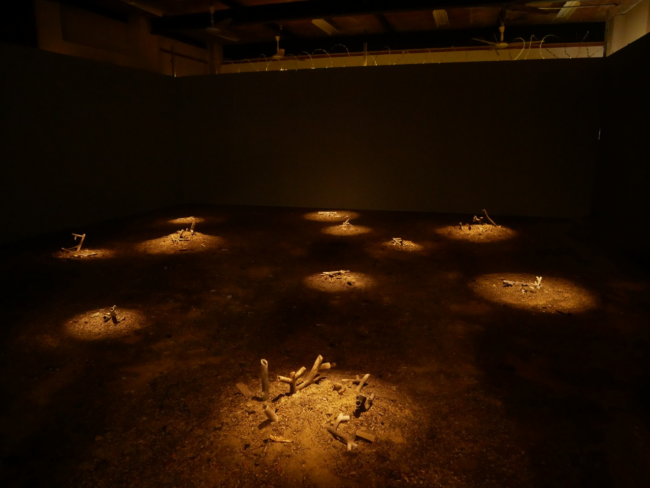
What emerged was not contemporary art as simply aesthetic, but a site where ideas are tested, reworked, and sometimes left deliberately open. The stronger works resisted easy translation, not through obscurity for its own sake, but through sustained inquiry and commitment to process. Meaning was not offered upfront or neatly contained within a single gesture. Instead, it accumulated through repetition, restraint, and an acute attention to detail. These projects asked viewers to slow down, to remain present with ambiguity, and to accept that understanding might remain partial, provisional, or unresolved.
This demand on the viewer is significant. It signals a shift in responsibility away from the artwork as a closed system and toward a relational encounter that unfolds over time. In asking viewers to sit with discomfort or uncertainty, the works push against expectations of immediate comprehension and consumption. They propose that not knowing, or not fully knowing, can be a productive state, one that mirrors the broader conditions of living and thinking in the present.
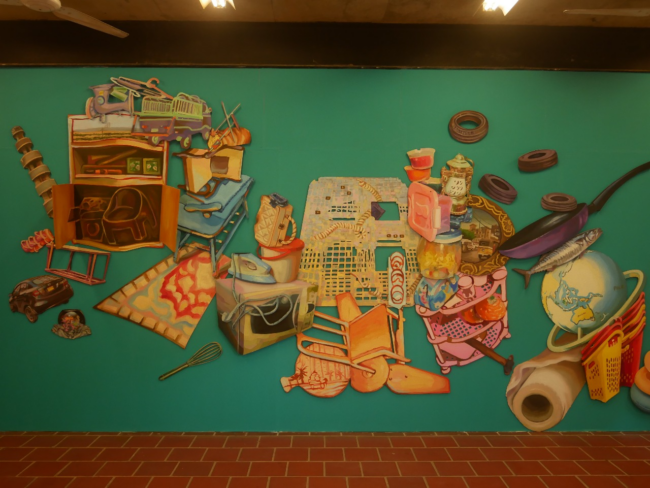
The thesis as a whole suggests that students are increasingly willing to move beyond safe, legible outcomes. This willingness feels particularly important within an academic framework that often prioritises completion over risk and complexity. Here, many students appeared to resist the pressure to resolve their projects too neatly, allowing contradictions, vulnerabilities and open questions to remain visible within the work. As someone who has also undergone rigorous academic and artistic training during my time at IVS, looking at it in retrospect allows me to understand how my practice has matured over the four years that I studied there.
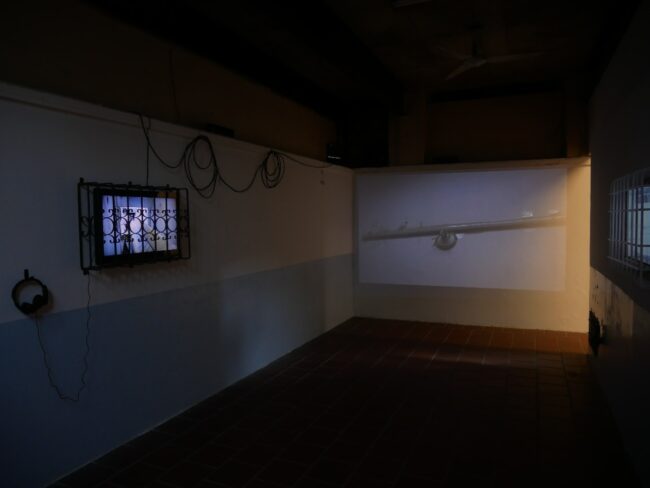
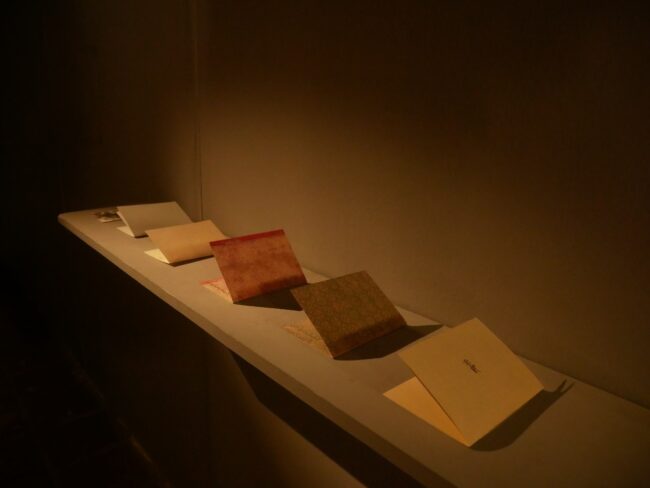
The IVS Thesis Show does not present a single ideological position, nor should it. Instead, it reveals a field in active negotiation, between clarity and opacity, intuition and rigour, refusal and commitment. These tensions are not presented as conditions to be worked within. It is precisely within this space of negotiation that the most compelling and thoughtful works begin to emerge, signalling a generation of practitioners attentive not only to what they make, but to how and why they make it.
All photographs courtesy of Art Now’s Correspondent Umer Sheikh