
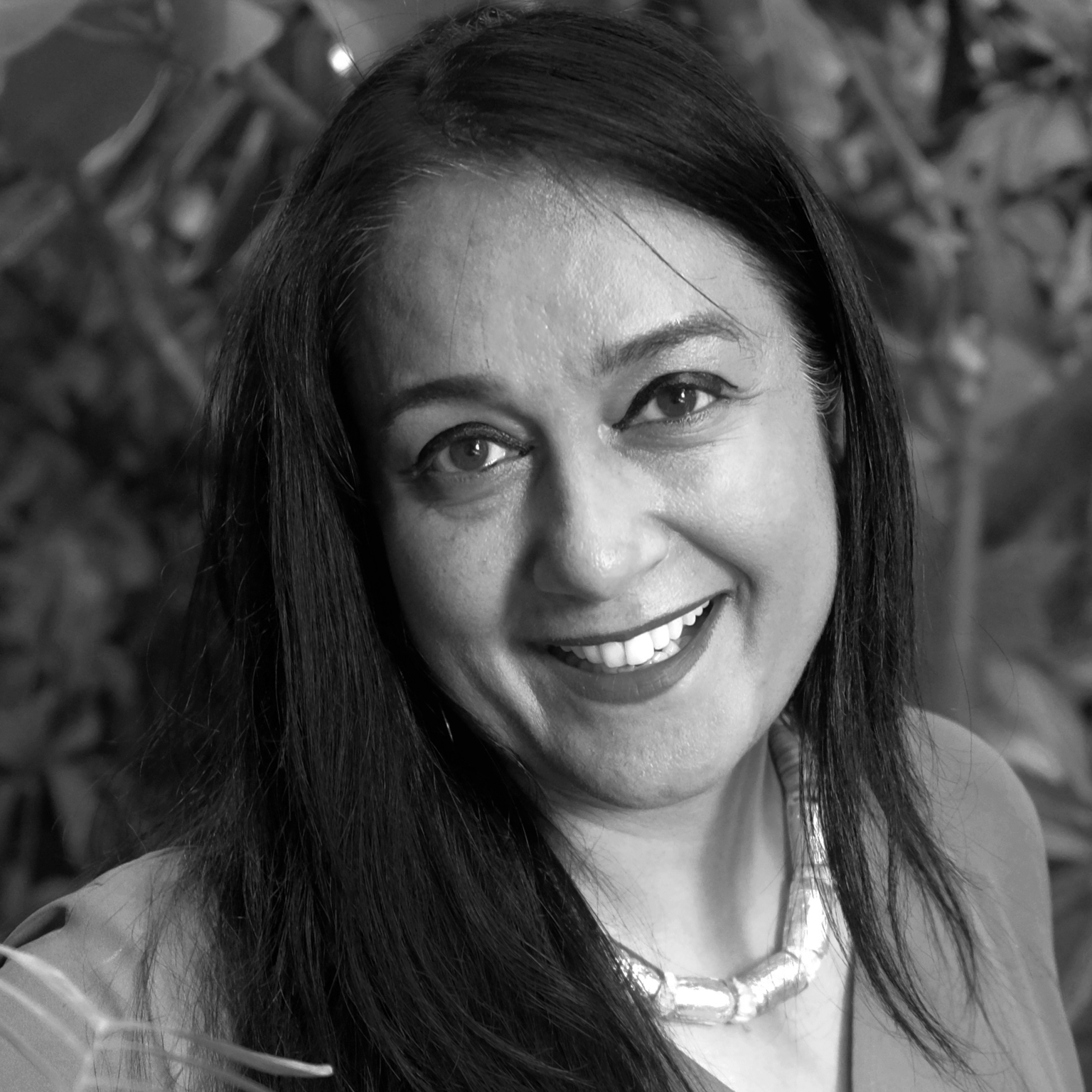
LBF’s zealous director Qudsia Rahim is set to represent Pakistan globally after being elected to the International Biennial Association by majority vote
Pakistan has joined the board of the International Biennial Association (IBA), recognising the extraordinary contribution Lahore has made in bringing art to the city’s heritage and public spaces. The International Biennial Association, which represents over 100 active biennials and periodic exhibitions worldwide, announced that Qudsia Rahim, Executive Director of the Lahore Biennale Foundation (LBF), was elected as a majority vote Member at the Annual General Assembly, held from 2nd to 4th July 2025 in Liverpool, UK.
“Qudsia Rahim’s appointment marks a significant milestone for South Asia: the first time a biennale institution from the region has a leadership position on the global governing Board,” announced Hoor Al Qasimi, President of the International Biennial Association. “We were impressed that in a space of just twelve years, the Lahore Biennale has attracted 4 million visitors, which has changed the landscape of the historic city and literally put Pakistani artists on the global map.”
Led by Hoor Al Qasimi, who founded the Sharjah Art Foundation, the International Biennial Association has evolved into a critical platform for biennials, championing non-Western narratives and expanding Global South exchanges that support curatorial autonomy and creativity.
“This honour recognises not just Pakistan’s prominent place in South Asia’s historic and modern cultural life — but also our particular approach that relies on genuine local community engagement in a city without large numbers of international tourists,” said Qudsia Rahim of the Lahore Biennale Foundation. “We have worked with government and communities to restore our city’s beautiful historic sites, mindful of the context and local usage, to offer public spaces for diverse users, and we have mentored young artists to launch them on the global market.”
The first LBF was in 2018, and according to Pakistan’s State Bank, by 2020-21 sales of art rose by an astonishing 9000%. This indicates a rise in corporate investment in art, record-breaking international sales of Pakistani artists’ works, and growing demand for young art professionals. There has been a significant increase in new galleries that have emerged in the country over the last few years. In addition, many large-scale public art initiatives have been launched since the inception of the Lahore Biennale, making the Arts one of the most thriving areas in Pakistan.
“Over the past 12 years, the Lahore Biennale Foundation has emerged as a leading cultural voice and a beacon for Pakistan’s creative and intellectual future,” said a representative of the Government of Pakistan, “We value this partnership and are delighted by the selection of Pakistan to the international biennial body”.
In collaboration with the provincial government, the Foundation has brought back to life neglected historical sites in Lahore. It is currently turning Lahore’s seventeenth-century Summer Palace built by the Mughals into a museum – an extraordinary maze in the basement of the Shish Mahal of the Lahore Fort, with massive walls and an elaborate system of water channels. Due to the attention brought on the Bradlaugh Hall’s history by the biennale, the Government has also initiated restoration work on it, an important locus of resistance to colonial rule for Lahore’s Hindu, Muslim, and Sikh communities.
In her new position as a Board Member of the International Biennial Association (IBA), Qudsia Rahim will collaborate with colleagues from around the world to strengthen biennial structures and champion equitable access to resources and artistic mobility, especially for underrepresented communities and institutions across South Asia. She will continue to build academic collaborations, seeking to strengthen in-depth research on the arts. The Foundation actively partners with academia and institutions throughout the year and especially during the biennales. A total of 28 international and 9 national universities and institutes were affiliated with the third Lahore Biennale alone.
“The Lahore Biennale Foundation stands out for its initiatives, like the Young Curators’ Program and their publication – the Reader. The Academic Forum: a platform engaged with scholarship in the various fields of art and academia. The Lahore Biennale brought together academic researchers to share their work on art and culture with a broader audience, fostering dialogue between South Asian perspectives and global institutions. Qudsia Rahim has consistently foregrounded critical dialogue, indigenous knowledge systems, regional histories, and deep public engagement,” said Iftikhar Dadi, Advisor to LBF and the Director of the South Asia Program, Cornell University.