
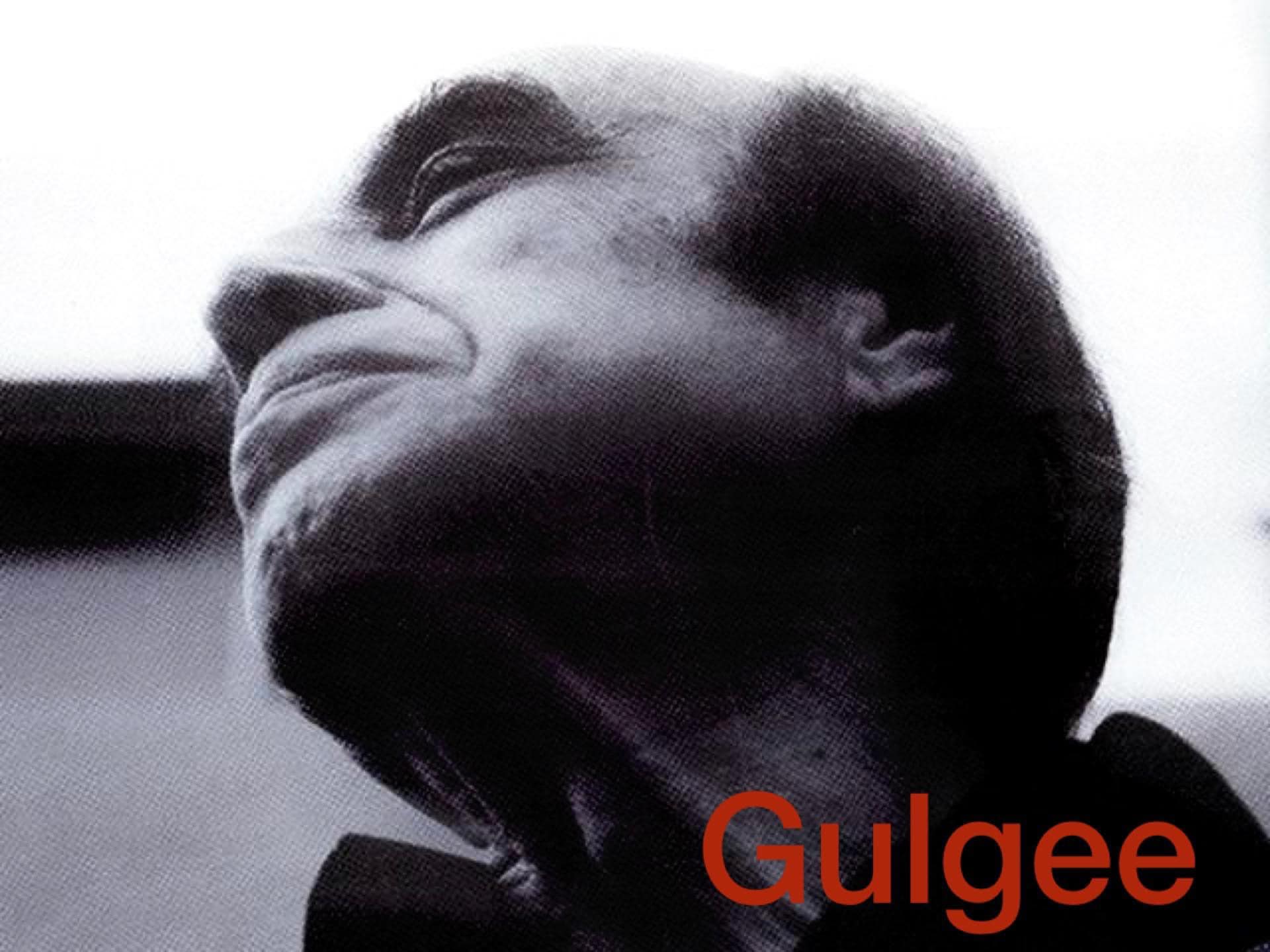
“The artist is nothing without the gift, but the gift is nothing without work.” — Émile Zola
Karachiites can no longer lament the lack of museums, as Amin Gulgee has given art enthusiasts a space unlike any other. On February 19th, the doors of the Gulgee Museum opened—a tribute not just to a legendary artist but to a deeply personal and painful history. Curating a museum in his father’s name was not a simple task for Amin. How could it be? The house that now celebrates Ismail Gulgee’s life is the same space that once bore witness to an unspeakable tragedy—the loss of both his parents. And yet, rather than letting those walls remain silent, Amin transformed them into a living, breathing example of art, memory, and resilience.
This museum is not merely a space to reminisce about Gulgee or to showcase his vast collection of art. It is something much more. As the son of a brilliant father—a self-taught master who channeled his emotions, expertise, and artistic instincts into a league of his own—Amin Gulgee carries that same creative fire within him. With this museum, he envisions more than just a tribute; he plans to turn it into a research hub, inviting scholars and artists from around the world to study, explore, and engage with his father’s work on a deeper level. As Amin himself says, “It’s just the beginning.” Amin himself stands at the forefront of contemporary art, carrying forward a legacy built on passion, struggle, and an unshakable devotion to creativity.
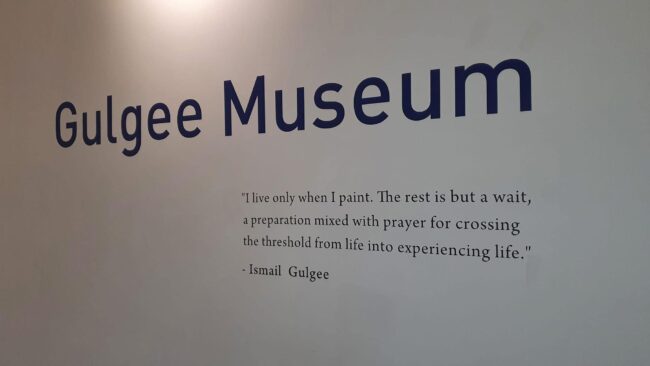
Gulgee’s own words, etched onto the museum’s wall, speak to the depth of his artistic and spiritual journey: “I live only when I paint. The rest is but a wait, a preparation mixed with prayer for crossing the threshold from life into experiencing life.” His art was never just about form or technique—it was a ritual, an act of transcendence. Each brushstroke was a meditation, each canvas a portal. The process itself was a whirlwind of peace and chaos, of harmony and intensity, where emotions poured forth in raw, unfiltered energy. And yet, from this storm emerged a serenity—an unshaken spirituality that defined his work. His paintings were not just compositions; they were states of being, moments suspended between the earthly and the divine.
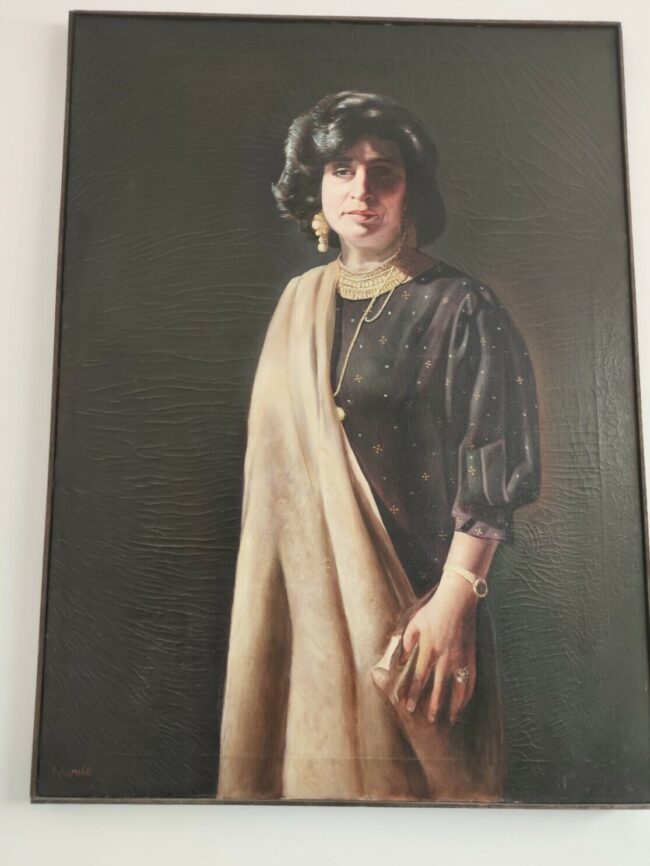
Upon entering, the large house-turned-museum felt like a bustling space filled with movement and voices. However, as I passed the towering sculptures and stepped into Zaro’s Room, the noise seemed to fade. The walls spoke through the pictures of Amin’s family. A striking portrait of his mother, Zaro, caught my gaze, and I stood in silence, taking in the image of such a beautiful family. This room is named after Amin’s mother, a space dedicated to her presence and memory.
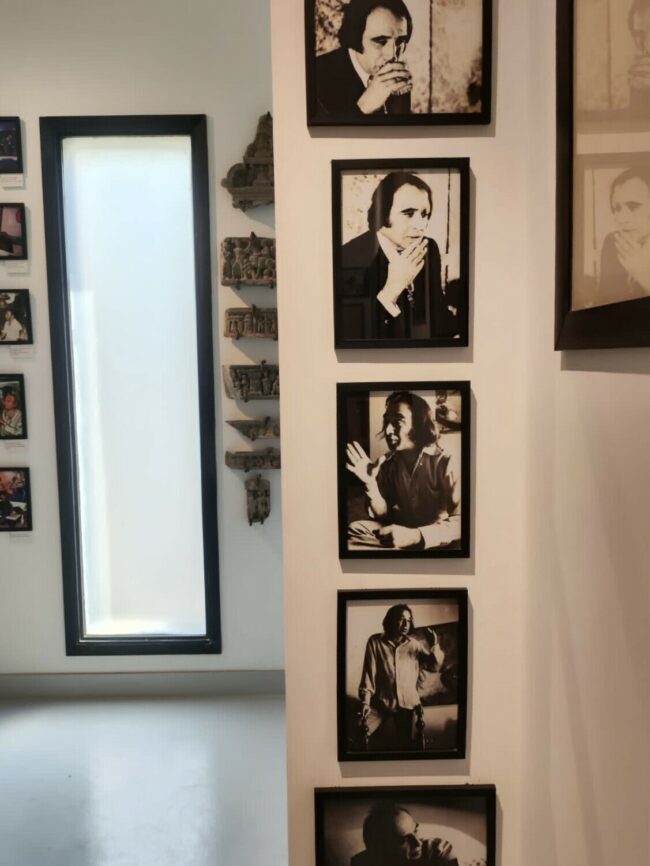
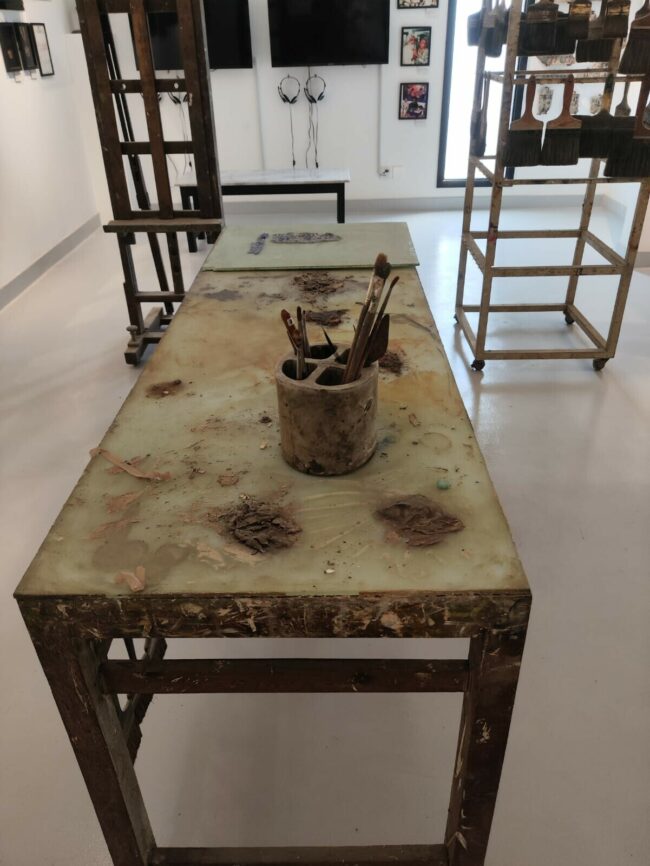
Similarly, another room was dedicated to Ismail Gulgee. Pictures, videos, his rustic color palettes, and brushes were meticulously arranged. The dust-covered, timeworn table exuded the aura of a master at work. I found myself contemplating how Gulgee wielded those massive brushes, creating grand, sweeping strokes that brought his canvases to life.
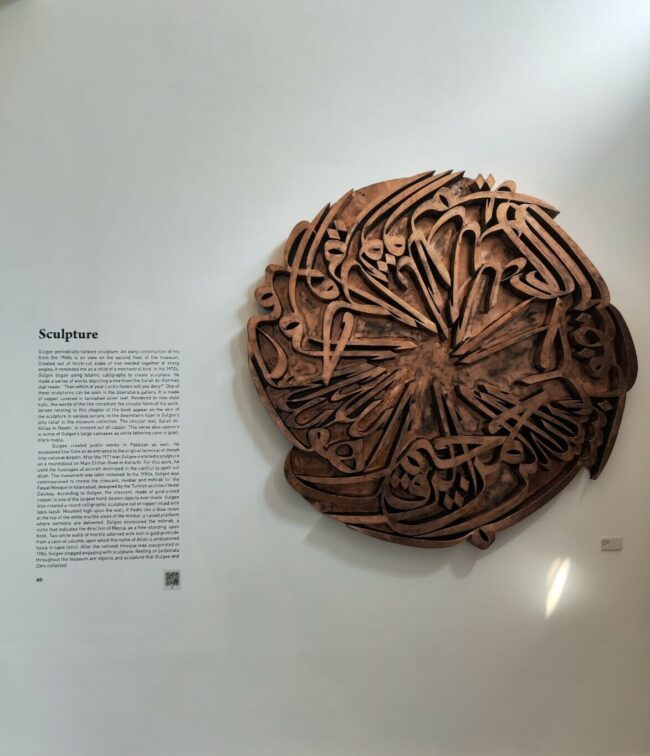
The sequence and placement of everything in the museum were executed flawlessly. At the pre-launch event, Amin shared that his father had always wanted to turn their home into a museum. However, Amin never imagined he would be the one to curate it. Initially, he sought external curators but eventually realized that it was his destiny to shape this tribute to his late father. During the walkthrough, Amin shared stories about his parents—their marriage, their dynamic presence, and how he was raised by these two extraordinary, high-spirited souls. Amin carries the same passion and ambition as his father.
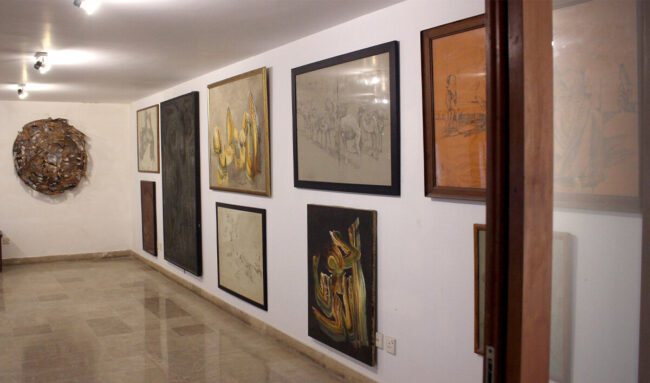
The house had to undergo significant renovations to accommodate the artwork and create a seamless flow for visitors. As I stood amidst the pieces, I realized it would take days to fully absorb each work’s depth. Every detail in Gulgee’s art is mesmerizing, every stroke hypnotic.
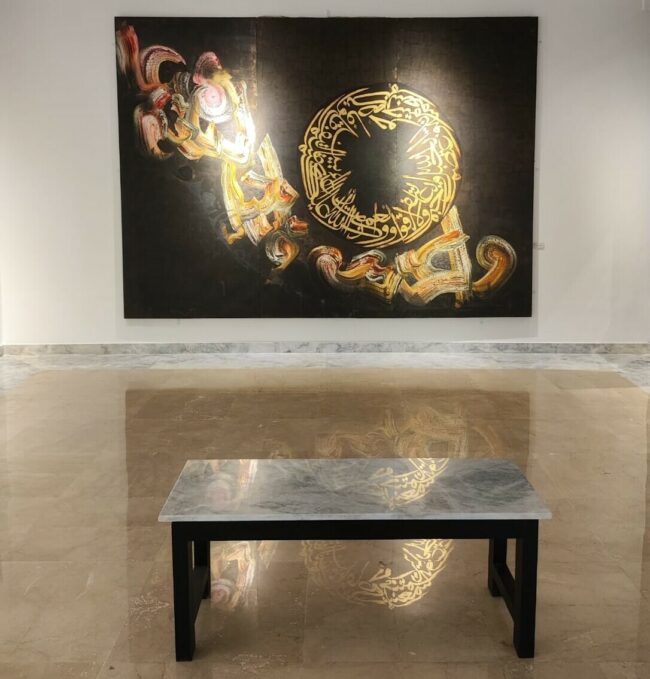
His calligraphic expressionism has long captivated audiences. Viewers find solace in the fluid, passionate swirls of his canvases, while art connoisseurs appreciate the gestural visual language that defines his work. His avant-garde approach successfully fuses the grace of Arabic calligraphy with raw emotional intensity.
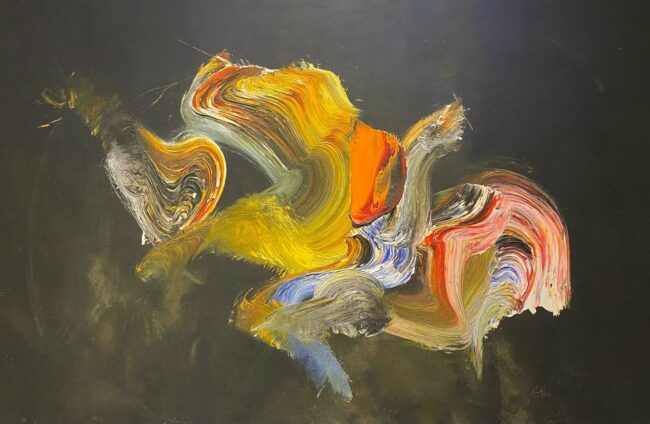
One of his calligraphic masterpieces, featuring a divine name from Islamic tradition, is rendered with instinctive precision and an electrifying cool-toned palette. The hues invite a sense of calm, making the piece universally engaging—transcending religious and linguistic barriers. A viewer need not be fluent in Arabic or hold specific beliefs to appreciate the fervor with which Gulgee executed his subject matter.
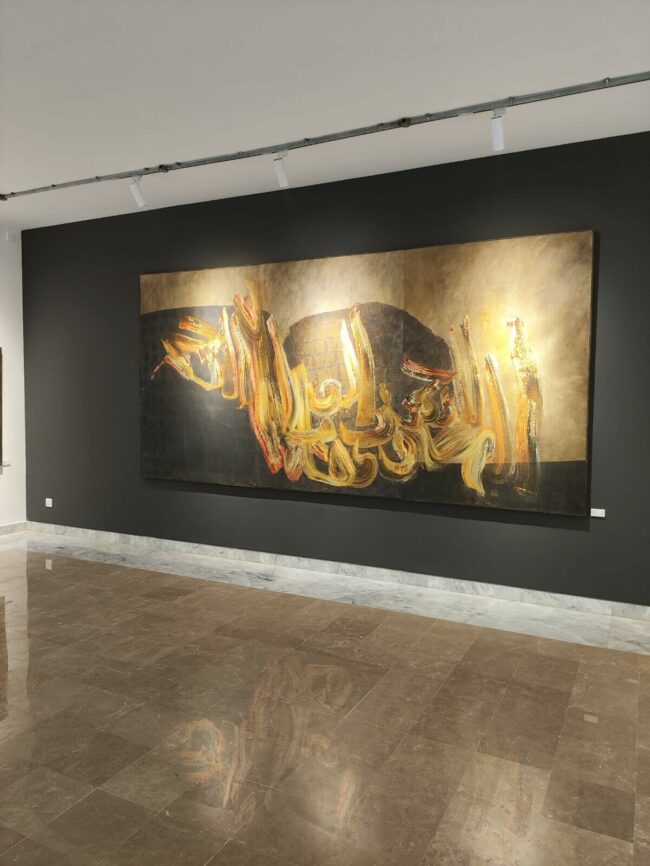
His work is as much an inner reflection as it is an expression of devotion or philosophical inquiry. The thick, characteristic brushstrokes and masterful use of line suggest an artistic philosophy that embraces both freedom and spirituality—perhaps akin to the mysticism of Sufi thought, where enlightenment is sought from within. Much like his free-flowing artistic approach, spirituality in Gulgee’s vision appears individualistic, dynamic, and unrestricted by rigid dogma. His work radiates a boundless energy that invites contemplation and personal interpretation.
The spontaneity with which Gulgee wielded his brush turns the canvas into an abstract masterpiece—without a fixed beginning or end, just an explosion of energy. Here, the process itself becomes the art, preserving the movement of the artist in every stroke. The viewer retraces these movements, becoming lost in the enchanting rhythm of the piece.
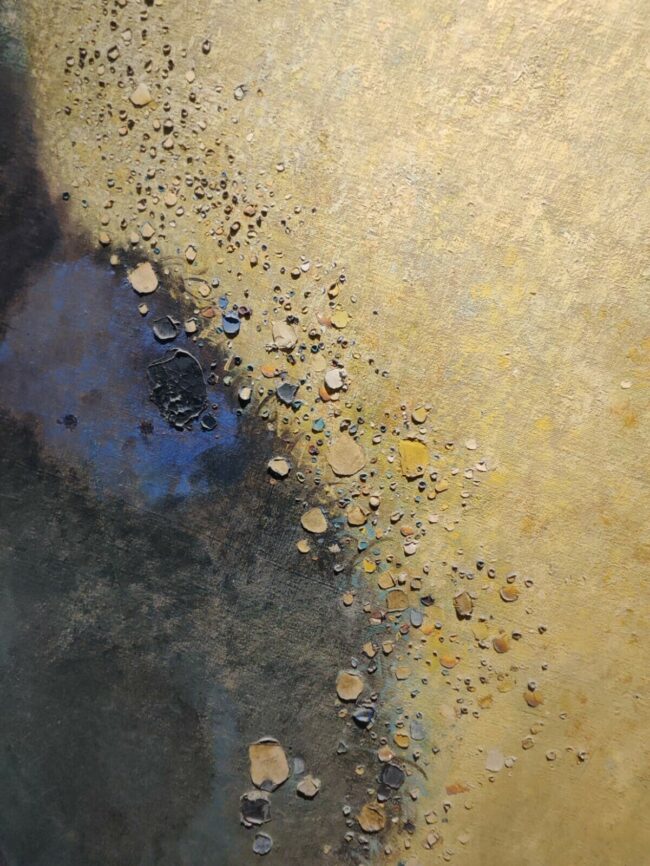
Reminiscent of Jackson Pollock’s action painting yet uniquely his own, Gulgee’s abstract works are saturated with vibrant daubs of color that highlight his gestural technique. The contrast between the hexagonal canvas and the fluidity of his brushstrokes suggests an interplay of structured balance and unrestrained motion. This juxtaposition mirrors life itself—a dance between chaos and control, balance and imbalance, free will and determinism.
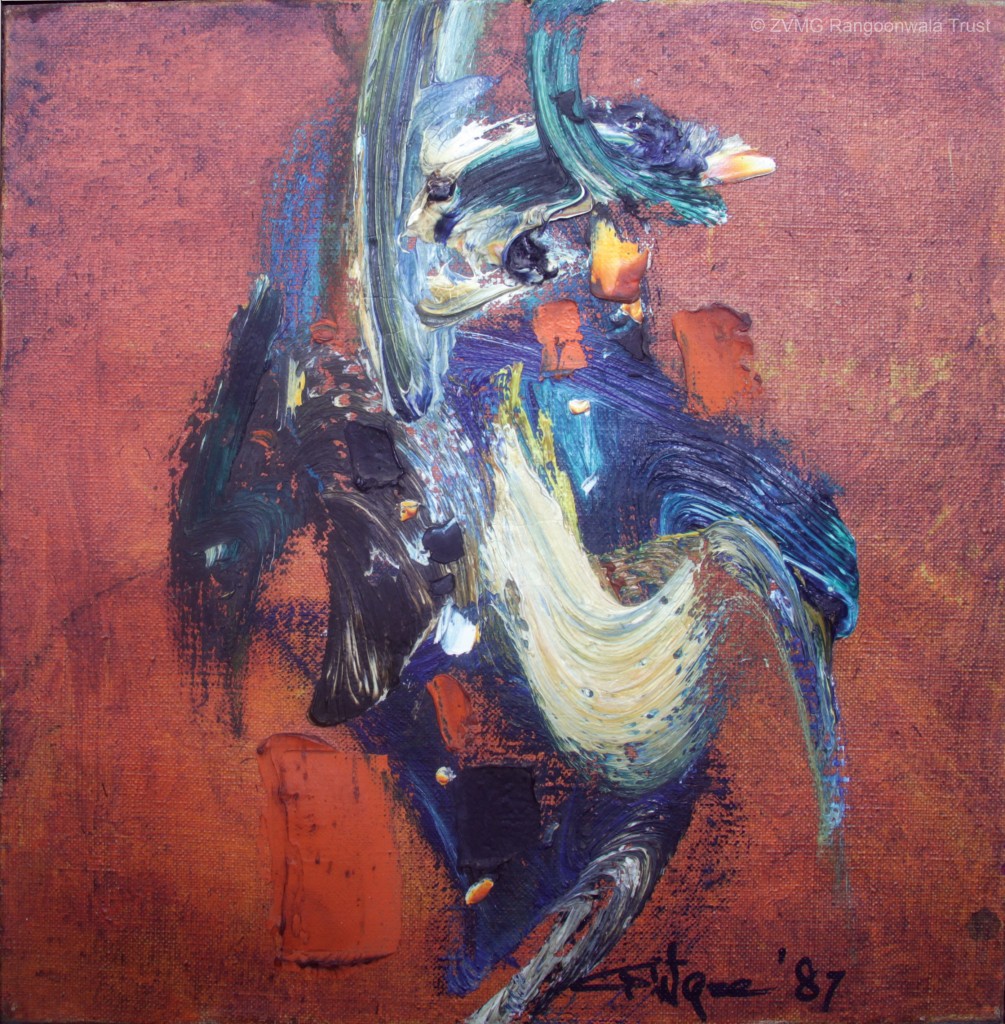
Gulgee’s artistic legacy does not offer definitive answers but instead presents a visual symphony of contradictions, inviting the viewer to engage, reflect, and ultimately, to feel.
And so, in this house-turned-museum, time stands still. The walls whisper stories of brilliance and tragedy, of love and loss, of a genius whose strokes still breathe life into the void. Here, Gulgee is not gone—he is everywhere. In every canvas, every brushstroke, every swirl of paint—his spirit lingers, a testament to the immortality of true artistry.